
Vertigo and Dizziness


Did you know that some forms of vertigo and dizziness can be treated with physiotherapy?
Dizziness is an umbrella term that includes all forms of unsteadiness, giddiness, vertigo, feeling not right etc. True vertigo is more specific and is a strong sensation of spinning or tilting. All forms of dizziness disrupt life and are worth treating. Whether it’s the feeling of constant unsteadiness like living on a boat, or true vertigo that makes it hard to stand and walk straight.
Dizziness occurs when something upsets the normal functioning of the many balance systems in our body. The eyes, neck and inner ear (vestibular system) feed information to the brain which puts it all together to tell us which way is up. It’s an amazing system that we rarely notice, until something goes wrong.
Let’s give it a bit of attention for the sake of learning.
Try standing in front of a mirror and watch your eyes as you tip your head slightly side to side. If you look closely, you’ll see that your eyes rotate a little to counteract your head movement. Your eyes try to remain vertical because it’s easier to make sense of the world when it’s the right way up. This magic is brought to you by your vestibular-ocular (inner ear–eye) reflex.
Have you ever been driving in the city, parked at the stoplights, looking out the window at the advert on the bus next to you, when the bus starts moving? You may have had the sensation that you were rolling backwards even though your foot was firmly on the brake. This is an illusion, a trick to the brain. Your vestibular system (inner ear) says that you aren’t moving. Your neck says you aren’t moving. Even your foot on the brake says you aren’t moving, but your eyes say something is moving. Your brain usually trusts your eyes more than anything, so defaults to saying, ‘we are moving!’ After a second of panic and pushing harder on the brake, the other systems clarify the situation.
There are many more examples of our balance systems getting confused, such as the feeling of dizziness when you twirl quickly, nausea from spending time on a rough boat, or the strange sensation being in a fast elevator. These sensations occur when your brain is unsure of movement or where the horizon is. They are ‘normal’ examples of the balance systems miscommunicating.
The list of medical causes for dizziness is long because it only takes one of the systems to be disrupted. Here are some of the most common conditions:
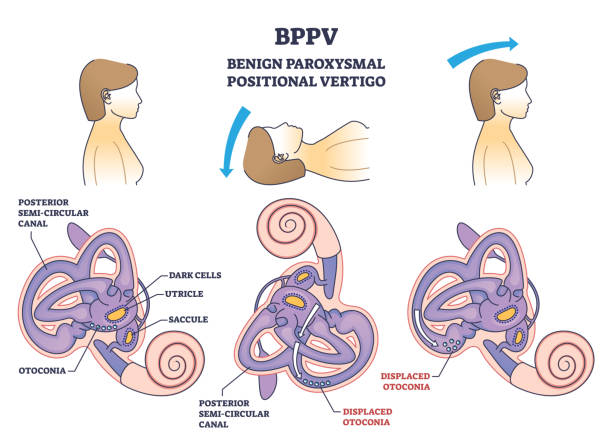
Benign Paroxysmal Positional Vertigo (BPPV) - read more about BPPV here
Concussion
Some medication side effects
Low blood pressure
Meniere’s disease
Vestibular migraines
Neck stiffness
Inner ear infection
The good news is that most causes of dizziness are temporary, the affected system usually recovers. Sometimes it needs a little help with vestibular rehabilitation to regain full function. Even if the affected system doesn’t fully recover, vestibular rehab can train the other balance systems to compensate and reduce dizziness.
Some of our physios have done additional training in dizziness and vestibular rehabilitation. You can read more in our blog posts on the dizziness assessment and BPPV. If you, or anyone you know suffers with dizziness, give us a call to see if physiotherapy can help.

Comments